


Professional Clean: 5 Essential Spider Prevention Tips
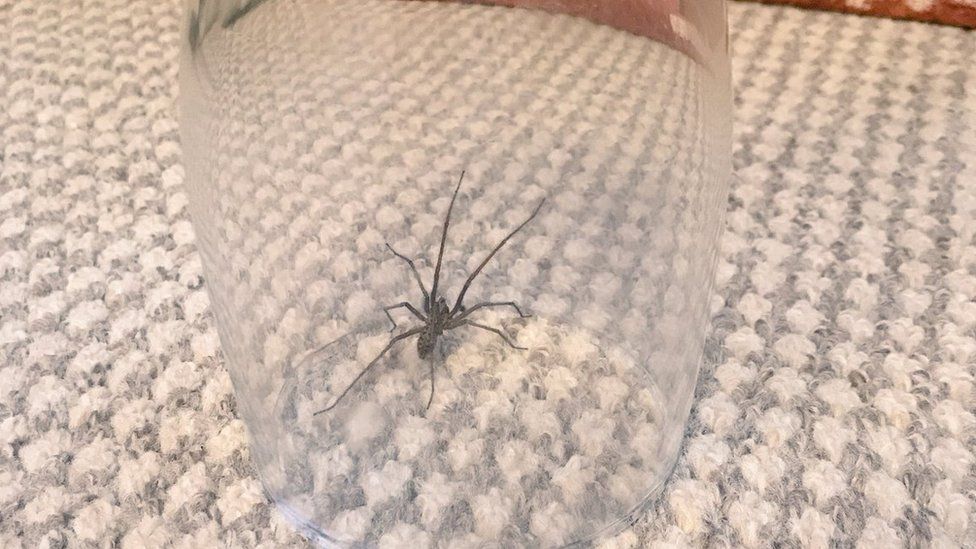
It’s that time of year again — the nights are drawing in, the leaves are turning, and eight-legged visitors are making their way into UK homes in search of warmth and shelter. While a few well-placed cobwebs might double up as Halloween décor, most of us would rather keep the creepy crawlies firmly outside. The good news? A professional clean combined with some clever preventative measures is the most effective way to stop spiders from settling in and making your home their own. Read on for our expert guide to keeping spiders at bay this spider season.
Why Do Spiders Come Indoors in the UK?
Before we dive into solutions, it helps to understand why spiders venture inside in the first place. The UK is home to around 650 different species of spiders, which might sound alarming — but the reassuring news is that only 12 of those species are capable of biting humans. Venomous spider sightings in the UK are extremely rare, so while they may give you a fright, they’re unlikely to cause serious harm.
That said, no one wants uninvited guests scurrying across the living room floor. From late summer through to autumn, male spiders become more active as they search for mates, which is why you’ll notice a significant increase in spider activity between August and October. Warm, cluttered, and dusty environments are particularly attractive to spiders, as they offer plenty of hiding spots and an abundance of other insects to feed on. Keeping your home clean, tidy, and well-maintained is therefore your first and most powerful line of defence.
Step One: Keep Spiders Outside Where They Belong
If your home has a garden or outdoor space, this could be increasing your risk of spider infestation. Spiders love dense vegetation because it provides excellent hiding spots and a ready supply of prey. A few simple outdoor adjustments can make a real difference.
Keep Plants Away from Entry Points
Try to keep all plants, shrubs, and garden furniture at least five feet away from your doors and windows. If you have a patio area, a concrete or timber surface creates a natural barrier between your garden vegetation and your home’s entrance. However, do bear in mind that patios and outdoor surfaces also benefit from a seasonal professional clean to remove debris, moss, and the very webs and egg sacs that could hatch into your next spider problem.
Seal Cracks and Gaps
Walk around the exterior of your property and look for any gaps around window frames, door frames, pipework, or brickwork. Even the tiniest crack can serve as an open invitation for spiders. Use a silicone-based sealant to fill any gaps you find, and consider fitting draught excluders to the base of external doors. These small adjustments can significantly reduce the number of entry points available to spiders and other insects.
Natural Spider Repellents Worth Trying
If you prefer to avoid chemical sprays, there are several natural remedies that are widely believed to deter spiders. While these won’t replace good housekeeping habits, they can work wonderfully as an additional layer of protection.
Horse Chestnuts
It’s a popular folk remedy, and many homeowners swear by it. Horse chestnuts — or conkers — are thought to contain natural chemicals that spiders find repellent. To use them effectively, split each conker in half and place the two pieces in corners of rooms, along windowsills, or in any spots where you’ve previously spotted spider activity. Replace them every few weeks as they dry out. It’s a completely natural, child-friendly, and cost-effective solution that’s easy to try during the autumn season.
Peppermint Oil Spray
Spiders are highly sensitive to strong scents, and peppermint is one they particularly dislike. You can make your own spider-repellent spray at home by adding approximately 20 drops of peppermint essential oil to two cups of water in a spray bottle. Shake well and apply the mixture to window frames, door frames, skirting boards, and any cracks or crevices around your home. Not only does it keep spiders at bay, but it also leaves your rooms smelling wonderfully fresh. Reapply every few days for the best results.
Other Scents Spiders Dislike
Peppermint isn’t the only scent that spiders tend to avoid. Eucalyptus, tea tree oil, lavender, and citrus are all believed to act as natural deterrents. You can use these in a similar spray solution or simply keep a diffuser running in rooms where spiders are a frequent problem. Citrus peel placed along windowsills is another quick and easy option to try.
The Role of a Professional Clean in Spider Prevention
Natural remedies and DIY measures are a great start, but nothing beats the thoroughness of a professional clean when it comes to tackling spider infestations at their root. Spiders thrive in dusty, undisturbed areas — think the tops of wardrobes, behind large furniture, under beds, and in corners that rarely see a vacuum. A professional cleaning service will reach these often-neglected areas and remove not only existing webs, but also the dust, dead insects, and debris that attract spiders in the first place.
Regular deep cleaning of your home can also help you stay on top of other insect populations that spiders feed on. Fewer flies, moths, and midges inside your home means spiders have less reason to set up camp. This is particularly important in the kitchen and bathroom, where moisture and food debris can attract a wide variety of insects. A professional clean of these areas every few months can dramatically reduce the overall insect activity in your home.
Don’t Forget Carpets and Upholstery
Carpets and soft furnishings can harbour dust mites, dead skin cells, and other organic matter that indirectly attracts insects — and by extension, spiders. Professional carpet cleaning uses hot water extraction or dry cleaning methods to deep-clean fibres in a way that a standard domestic vacuum simply cannot achieve. If you haven’t had your carpets professionally cleaned recently, autumn is an ideal time to book in — you’ll head into the winter months with a fresh, hygienic home that’s far less appealing to any unwanted eight-legged visitors.
Everyday Habits That Make a Big Difference
Alongside seasonal deep cleans and natural remedies, a few simple daily and weekly habits can go a long way towards keeping your home spider-free throughout the year.
Vacuum regularly, paying close attention to corners, ceilings, and behind furniture. Remove clutter from floors and storage areas, as piles of boxes, bags, or clothing provide perfect hiding spots. Store firewood outside and away from the house, as logs are a favourite habitat for spiders. Turn off outdoor lights when not needed, as bright lights attract flying insects, which in turn attract spiders. And wherever possible, keep window and door screens in good repair to prevent insects — and the spiders that follow them — from entering your home.
It’s also worth giving your home a thorough tidy before autumn fully sets in. Decluttering wardrobes, clearing out under-bed storage, and organising garage and loft spaces removes the sheltered, undisturbed environments that spiders find most appealing.
Ready to Spider-Proof Your Home? Let Mirakal Services Help
Whether you’re dealing with an existing spider problem or simply want to get ahead of spider season, a thorough professional clean is one of the smartest investments you can make for your home. At Mirakal Services, we offer a comprehensive range of domestic and commercial cleaning solutions — from deep cleaning and end of tenancy cleans to carpet cleaning and regular maintenance visits — all carried out by experienced, professional cleaners who take pride in delivering exceptional results. Don’t let spider season catch you off guard. Get in touch with Mirakal Services today and let us help you enjoy a cleaner, fresher, and spider-free home all year round.
Таг: Professional Clean